
01
Badge, wristband, RSVP, and unofficial-event expectations so the group understands what each person can actually enter.
02
A district-based schedule around the Convention Center, downtown hotels, Red River, Rainey, East Austin, and film or music venues.
03
Transportation plans for heavy traffic, street closures, festival shuttles, walking, and late-night pickup congestion.
04
A sustainable daily rhythm with breakfast, charging, meeting points, recovery time, and fewer unnecessary cross-city trips.
Overview
SXSW Visitor Guide
SXSW transforms central Austin into a distributed network of conferences, showcases, brand activations, screenings, meetups, and unofficial events. A successful trip depends less on seeing everything than on choosing a daily district, understanding credential access, planning transportation before peak hours, and keeping a calm home base away from the downtown churn.
What it offers
What an effective SXSW plan should cover
How SXSW works
It is a network, not one festival gate
SXSW combines conference programming with music, film and television, comedy, exhibitions, networking, and a large ecosystem of unofficial events. Access depends on the specific event: some require a badge or wristband, some use RSVP systems, some prioritize credential tiers, and others are public. Build the schedule from confirmed access rather than from social-media lists alone.
The venues are distributed. The Convention Center and surrounding hotels are central to conference programming, while music and nightlife stretch through Red River, downtown, Rainey, East Austin, and other districts. Film screenings and special events can pull attendees farther away. Group the day geographically to reduce wasted travel.
Transportation
Walking is often faster inside the core
Once downtown, walking between nearby venues is usually more predictable than repeatedly calling rideshares. Official SXSW transportation information, festival shuttles, CapMetro, bike options, and current street closures should be reviewed before each day. Pickup demand rises sharply after headline events and at bar close.
From Austin Retreat House, designate one departure window and one likely return strategy. Groups do not need to travel together all day, but everyone should know the house address, the backup meeting point, and whether the final return will be by rideshare, transit connection, or a sober driver.
Daily strategy
Choose one must-do event and leave room for discovery
SXSW schedules change, lines form, and opportunities appear unexpectedly. Pick one or two priority sessions or showcases, then leave open blocks. Overbooking creates a day spent standing in lines and crossing downtown rather than participating.
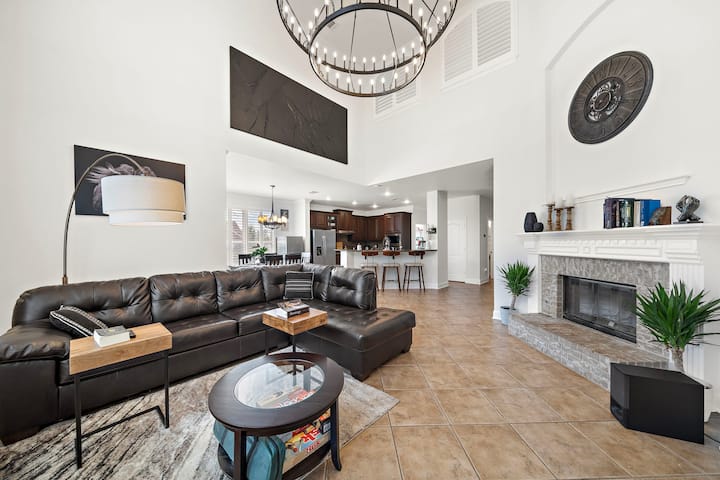
Use the house as an operational base: breakfast, coffee, device charging, wardrobe changes, short work sessions, and quiet sleep. For teams or creators, a shared house also gives the group space to debrief and prepare without relying on hotel lobbies or crowded cafes.
Visitor tips
What to know before you go
Nearby context
What else is close enough to combine?
The best group plans usually connect one destination with one nearby meal, grocery stop, coffee stop, winery, park, or relaxed evening back at the house. These nearby anchors help turn a single outing into a complete but manageable day.
Suggested itinerary
A simple way to structure the visit
Conference and priority programming
Eat at the house, enter downtown before peak congestion, and start with the day's highest-priority session.
One district, flexible schedule
Stay within a compact area for showcases, activations, meetings, and food rather than crossing the city repeatedly.
Showcase with a planned exit
Choose the final venue intentionally and know the pickup zone or transit plan before crowds release.
Staying at Austin Retreat House
Why a private home base can be better than separate rooms
Hotels can work for simple trips, but group travel often needs a different setup. A private home gives guests a shared kitchen, group seating, private bedrooms, laundry, outdoor space, work areas, and informal time together. That matters for wedding weekends when family members want to reconnect, for reunions where meals are part of the trip, and for corporate retreats where conversations continue outside formal sessions.
Austin Retreat House also helps guests reduce friction. Morning coffee can happen without a restaurant reservation. Kids and adults can separate into different areas. Remote workers can find quiet corners. Guests attending events can get ready in one location. After a long day, the group can return to the same home instead of coordinating across several properties.
FAQ
Common planning questions
Do visitors need a SXSW badge?
Not for every activity, but many official conference and festival events require credentials. Verify access for each item rather than assuming an RSVP guarantees entry.
Is it practical to drive downtown during SXSW?
Driving can be difficult because of closures, traffic, and parking demand. Many attendees use a combination of rideshare, transit, walking, and official transportation.
How many events should be scheduled per day?
Choose one or two priorities and leave substantial flexibility. Lines and travel take longer than expected.
What should groups carry?
Comfortable shoes, identification, credentials, water, a charged phone, a battery pack, and saved addresses are the essentials.
Why stay outside downtown?
A quieter shared home can provide better sleep, space, kitchens, work areas, and a reliable reset between high-intensity festival days.
Related guides
Keep planning the trip
Plan the stay
Use Austin Retreat House as the home base for the whole group.
Explore the house, compare nearby guides, review amenities, and check availability when your dates are ready.